



คอลลาเจน, Collagen
โพสต์เมื่อ : 27 พ.ย 2566 เวลา 12:53 น.
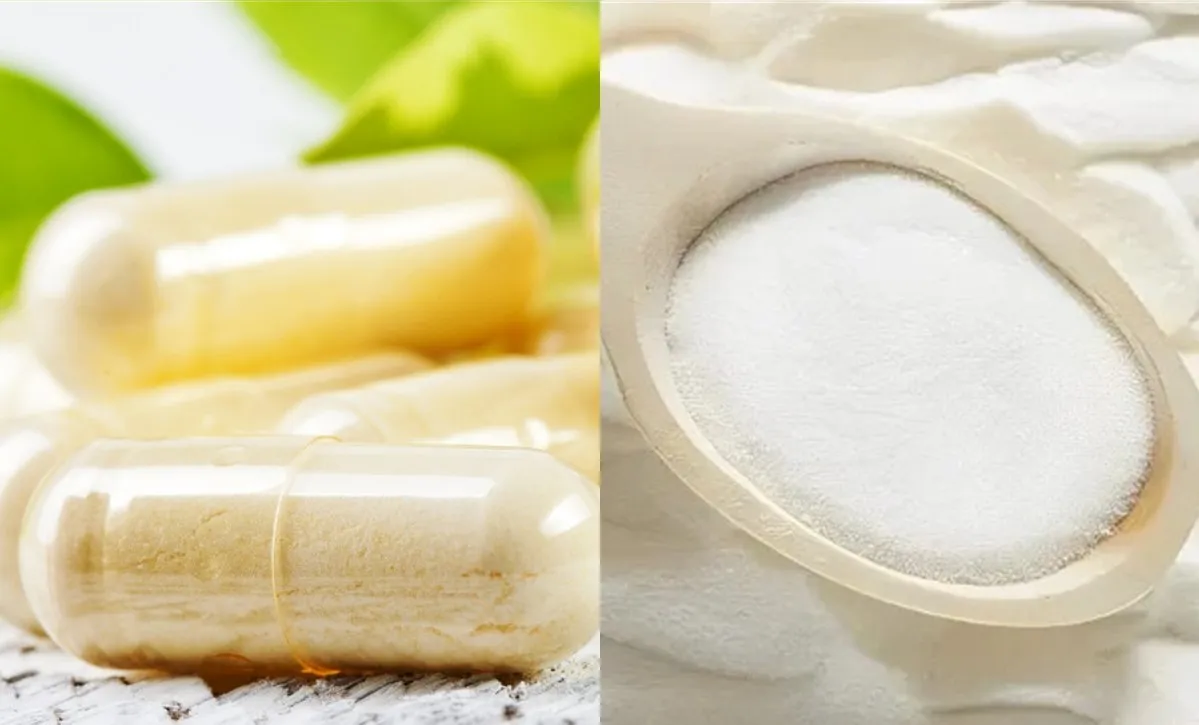
Collagen
คอลลาเจน (Collagen) เป็นสารที่หลายคนรู้จัก และมีการนำมาใช้เพื่อประโยชน์ด้านการดูแลผิวพรรณมาอย่างยาวนาน เนื่องจากคอลลาเจนเป็นส่วนประกอบของผิวหนังที่จะช่วยให้โครงสร้างผิวมีความยืดหยุ่น เรียบเนียน ทำให้ได้มีผลิตภัณฑ์คอลลาเจนทั้งทาภายนอก และกินบำรุงจากภายใน ออกมามากมายเพื่อที่จะใช้ในการทดแทนคอลลาเจนที่จะสูญเสียไปเรื่อย ๆ เมื่ออายุมากขึ้น เราจึงควรหันมาศึกษาว่าอาหารที่มีคอลลาเจนนั้นคืออะไรบ้าง และควรทานคอลลาเจนอย่างไรจึงจะดีต่อร่างกาย
คอลลาเจนคืออะไร ?
คอลลาเจน คือโปรตีนชนิดหนึ่งที่เป็นส่วนประกอบหลักของผิวหนัง โดยมีสัดส่วนสูงถึง 80 % ทำหน้าที่คล้ายกับกาวและเป็นโครงสร้างของเนื้อเยื่อต่าง ๆ ในร่างกาย ไม่ว่าจะเป็นผิวหนัง กระดูก กล้ามเนื้อ เล็บ เอ็น และข้อ โดยคอลลาเจนจะอยู่ที่ผิวหนังชั้นล่าง (ชั้นหนังแท้ หรือ dermis) ฉะนั้นการทาครีมทั่วไปจะไม่มีผลโดยตรงถึงคอลลาเจนในผิวหนัง โดยในร่างกายคนเรามีคอลลาเจนมากถึง 16 ชนิด โดยชนิดที่เราจะสามารถพบได้บ่อย คือ
คอลลาเจน 4 ชนิดที่สามารถพบได้บ่อยในร่างกาย
คอลลาเจนชนิดที่ 1 (Collagen Type I) เป็นชนิดที่พบได้มากที่สุดในร่างกาย ช่วยในการเสริมความยืดหยุ่น การสมานแผล สามารถพบได้ในผิวหนัง เส้นผม กระดูก เนื้อเยื่อ และผนังหลอดเลือด
คอลลาเจนชนิดที่ 2 (Collagen Type II) เป็นชนิดที่มีความยืดหยุ่นมากกว่าชนิดที่ 1 พบมากในกระดูก กระดูกอ่อน และข้อต่อ มีหน้าที่ช่วยในการสร้างกระดูกอ่อน
คอลลาเจนชนิดที่ 3 (Collagen Type III) เป็นชนิดที่มักจะพบในผิวหนัง กล้ามเนื้อ และหลอดเลือด
คอลลาเจนชนิดที่ 5 (Collagen Type V) สามารถพบได้ในบริเวณเดียวกันกับชนิดที่ 1 หรือใต้ชั้นผิวหนัง และในเนื้อเยื่อของทารกในระหว่างตั้งครรภ์
จะเห็นได้ว่าคอลลาเจนกระจายอยู่ทั่วร่างกายของเรา โดยปกติแล้วร่างกายจะมีการสร้างและสลายคอลลาเจนในปริมาณที่สมดุลกัน แต่เมื่อเรามีอายุตั้งแต่ 40 ปีขึ้นไป การสร้างคอลลาเจนก็จะลดลงประมาณร้อยละ 1 ต่อปี ในขณะที่อัตราการสลายคอลลาเจนยังเท่าเดิม ทำให้ปริมาณคอลลาเจนในร่างกายลดลงเรื่อย ๆ ส่งผลให้ความแข็งแรงของผิวลดลงเมื่ออายุมากขึ้น และอย่างที่ทุกคนรู้กันดีว่าเมื่อคอลลาเจนใต้ผิวหนังลดลงก็จะเกิดริ้วรอย
ประโยชน์ของคอลลาเจน
หลายคนคงเกิดความสงสัยว่า ถ้าทานคอลลาเจนไปแล้ว จะมีผลดีอย่างไร ซึ่งมีหลายงานวิจัยที่ศึกษาเกี่ยวกับคอลลาเจน แสดงให้เห็นว่าคอลลาเจนมีประโยชน์ ดังนี้
ช่วยเพิ่มความยืดหยุ่น ความชุ่มชื้น ความฟู และลดความหยาบกร้านของผิว
ช่วยทำให้ริ้วรอยที่เห็นได้ชัดดูจางลง
ลดการเปราะแตกของเล็บ
ช่วยชะลอการสลายของมวลกระดูก เมื่อกินคู่กับแคลเซียมและวิตามิน ดี
ช่วยเรื่องสุขภาพของข้อต่อในกลุ่มผู้สูงอายุ เช่น ลดอาการปวดข้อต่อ เป็นต้น
ซึ่งการทานคอลลาเจนให้ได้ผลดี แนะนำว่าควรเลือกคอลลาเจนสายสั้น (hydrolyzed collagen) เนื่องจากเป็นคอลลาเจนที่ผ่านการไฮโดรไลซ์ (hydrolysis) จนมีขนาดที่เล็กลง ทำให้ร่างกายดูดซึมได้ง่าย และกลายเป็นองค์ประกอบของการสร้างคอลลาเจนในร่างกาย โดยปริมาณของคอลลาเจนที่กินใน 1 วันโดยให้ผลที่ดีและและปลอดภัยไม่มีผลข้างเคียงคือ 2.5 – 15 กรัม
6 วิธีเลือกทานอาหาร เพื่อช่วยเสริมสร้างคอลลาเจน
เราสามารถเลือกการทานอาหารที่ช่วยชะลอการสลายและมีส่วนช่วยในการสร้างคอลลาเจนให้เพิ่มขึ้นได้อีกด้วย และนี่คือ 6 เทคนิคง่าย ๆ ที่จะช่วยให้คอลลาเจนในร่างกายอยู่กับเราไปนาน ๆ
ทานโปรตีนต่อวันต้องเพียงพอ ทำให้สร้างคอลลาเจนได้อย่างเต็มที่ อย่างที่รู้กันแล้วว่าคอลลาเจนคือ โปรตีนชนิดหนึ่ง ดังนั้นการทานโปรตีนจากเนื้อสัตว์ นม ไข่ หรือ ธัญพืชต่าง ๆ ให้เพียงพอความต้องการต่อวัน หรือ 1 – 1.2 กรัมต่อน้ำหนักตัว 1 กิโลกรัม เช่น ถ้าหากเรามีน้ำหนักตัวที่ 50 กรัม แสดงว่าเราต้องกินโปรตีนให้ได้ 50 - 60 กรัมต่อวัน หรือเทียบเท่ากับการเลือกกินเนื้อสัตว์ไม่ว่าจะเป็นหมู ไก่ ปลา ให้ได้รวม ๆ กันประมาณ 200 - 250 กรัม การกินโปรตีนที่เพียงพอ ร่างกายจะย่อยเป็นกรดอะมิโนเพื่อนำไปสร้างเป็นคอลลาเจนไปใช้ประโยชน์ต่อสภาพผิว ข้อเข่า หรือมวลกระดูก นอกเหนือจากการนำไปปรับสมดุลของโปรตีนในร่างกายนั่นเอง
ทานอาหารที่เป็นแหล่งของวิตามิน ซี เพราะวิตามิน ซี ช่วยกระตุ้นการสร้างคอลลาเจน และถือเป็นสารต้านอนุมูลอิสระที่สำคัญ ที่ช่วยชะลอการสลายของคอลลาเจน โดยแหล่งของวิตามิน ซี คือ ผักและผลไม้ต่าง ๆ เช่น ฝรั่ง ผักคะน้า บรอกโคลี สตรอเบอร์รี่ ส้ม แอปเปิลแดง มะนาว เบอร์รีชนิดต่าง ๆ เป็นต้น
ทานอาหารที่เป็นแหล่งของวิตามิน เอ เพราะวิตามิน เอ ช่วยกระตุ้นการเติบโตของไฟโบรบลาสต์ (fibroblast) ที่มีหน้าที่สร้างคอลลาเจนและอิลาสตินของร่างกาย ที่ทำให้ผิวพรรณยังเต่งตึง โดยแหล่งอาหารที่มีวิตามิน เอ ได้แก่ เนื้อสัตว์ ไข่ นม ผักที่มีสีเขียวเข้มและสีเหลืองส้ม เช่น ตำลึง ผักบุ้ง แครอทมะละกอสุก เป็นต้น
กินอาหารที่เป็นแหล่งวิตามิน อี เพราะวิตามิน อี เป็นสารต้านอนุมูลอิสระที่ทำงานคู่กับวิตามิน ซี โดยแหล่งของวิตามิน อี คือ น้ำมันพืชต่าง ๆ เช่น น้ำมันรำข้าว น้ำมันถั่วเหลือง นอกจากนี้ยังพบใน ถั่วอัลมอนด์ อาโวคาโด มะม่วง กีวี เป็นต้น
หลีกเลี่ยงอาหารรสหวาน เพราะน้ำตาลจะทำให้เกิดกระบวนการไกลเคชัน (glycation) ที่จะส่งผลให้คอลลาเจนเสียรูปร่าง และไม่ยืดหยุ่นแบบที่ควรเป็น
ดื่มน้ำให้เพียงพอวันละ 8 – 10 แก้ว หรือ 2 ลิตรต่อวัน น้ำเปล่าเป็นส่วนสำคัญที่จะช่วยสร้างคอลลาเจนในร่างกาย หากดื่มน้ำไม่พอ การสร้างคอลลาเจนก็จะลดลงไปด้วย
ดังนั้นถ้าใครสนใจอยากที่จะทานคอลลาเจนเพื่อดูแลผิวพรรณ ควรเลือกเป็นคอลลาเจนสายสั้นหรือไฮโดรไลซ์คอลลาเจน ที่ง่ายต่อการดูดซึม โดยอาจจะทานควบคู่ไปกับการทานอาหารที่เป็นแหล่งของวิตามินต่าง ๆ ไม่ว่าจะเป็นวิตามิน ซี อี และ เอ รวมไปถึงเลือกน้ำดื่มคุณภาพให้เพียงพอ เพื่อชะลอการสลายตัวและมีส่วนช่วยในการสร้างคอลลาเจน และที่สำคัญต้องทานโปรตีนให้เพียงพอ หรือเสริมด้วยเครื่องดื่มเสริมโภชนาการที่มีส่วนผสมของคอลลาเจน ก็เป็นอีกทางเลือกที่เหมาะสมต่อการดูแลสุขภาพ
ข้อมูลเพิ่มเติมเกี่ยวกับสินค้า คอลลาเจน สามารถสอบถาม ได้โดยตรงที่
บริษัท ไทยโพลีเคมิคอล จำกัด
โทร 034496284, 034854888
มือถือ 0861762992, 0800160016
ไลน์ไอดี thaipoly888
ไลน์ไอดี thaipolychemicals
เว็บไซต์ www.thaipolychemicals.com
Collagen
Collagen is a protein responsible for healthy joints and skin elasticity, or stretchiness. It’s in your bones, muscles, and blood, comprising three-quarters of your skin and a third of the protein in your body. As you age, your existing collagen breaks down, and it gets harder for your body to produce more. As a result, many people turn to collagen powder or other types of collagen supplements, such as capsules, gummies, and liquids. Collagen is also produced naturally in the body by combining amino acids, the building blocks of proteins found in food. To produce collagen, your body needs:
Proline: found in egg whites, dairy, cabbage, mushrooms, and asparagus
Glycine: found in pork skin, chicken skin, and gelatin, and a variety of other protein-rich foods
Vitamin C: found in citrus fruits and bell peppers
Zinc: found in beef, lamb, pork, shellfish, chickpeas, lentils, beans, milk, cheese, and various nuts and seeds
Copper: found in organ meats, cocoa powder, cashews, sesame seeds, and lentils
Types of Collagen
Your body contains many types of collagen. Scientists have identified a total of 29 varieties, including these 5 main types
Type I, which gives strength to your skin, bones, ligaments, and tendons
Type II, which makes up the flexible cartilage that helps support your joints
Type III, found in your internal organs, blood vessels, and muscles
Type IV, in some layers of your skin
Type V, which is present in your corneas as well as some layers of skin and hair
Most collagen supplements contain types I, II, and III, which account for most of the collagen found in your body. They contain a digestible form of collagen called collagen peptides or hydrolyzed collagen.
These supplements are made from the tissues of cows, pigs, chickens, or fish. You can also buy vegan collagen powders made of bacteria and yeast. But scientists don’t know whether they have the same possible benefits as collagen from animal sources.
Collagen capsules, liquids, and gummies contain the same active ingredients as collagen powder. But the dosages will vary depending on what form you use. Some people find it easier to add collagen powder to beverages or foods than to swallow several capsules. And you may not want the added sugar found in collagen gummies.
Collagen Powder Nutrition Information
Fourteen grams of collagen peptide powder contains:
Calories: 50
Protein: 12 grams
Fat: 0 grams
Carbohydrates: 0 grams
Fiber: 0 grams
Sugar: 0 grams
The same amount of collagen peptide also contains 29 milligrams of calcium, 44.9 milligrams of sodium, and 0.98 milligrams of potassium.
Collagen Powder Benefits
Because it makes up so many critical parts of our bodies, collagen is not only beneficial but essential to maintaining good health. But scientists are still debating the benefits of collagen powder and other collagen supplements. While there’s reasonable evidence that they help maintain hydrated skin and relieve osteoarthritis pain, we need more studies into less well-understood benefits, such as lowering blood pressure and blood sugar levels.
Here are some commonly cited benefits of collagen supplements:
Stronger bones. As you age, your bones become less dense and more brittle, breaking more easily and taking longer to heal. Some research has found that taking daily collagen powder could help make your bones denser, slowing the aging process that makes them brittle and helping your body to produce new bone.
Skin elasticity and hydration. Collagen supplements have been shown to improve skin hydration and elasticity for older people. They might also help to lessen wrinkles.
Thicker hair. While more men go bald, many women also have hair loss or thinning as they age. In one study, a group of women with thinning hair saw significant increases in their hair’s quantity, scalp coverage, and thickness while taking daily collagen supplements.
Healthier nails. Some people’s nails break more easily than others, and don’t grow as fast. One study in a group of women showed faster nail growth and fewer broken or chipped nails after only 4 weeks of daily collagen supplements.
Reduced osteoarthritis pain. For people with knee osteoarthritis, collagen supplements might act as a mild pain reliever and improve joint function. It may take about 3-5 months of daily treatment before you see these improvements.
Increased muscle mass. One small study found that men who took collagen peptide supplements during a 12-week strength training program saw more increases in muscle mass and strength than those who didn’t.
Improved heart health. Collagen helps keep the shape of your arteries and blood vessels. When you lack collagen, your arteries may weaken. Fragile blood vessels increase the risk of atherosclerosis, which can lead to a heart attack or stroke. A small study done on healthy people found that collagen powder kept arteries healthier and helped reduce the risk of atherosclerosis.
Keep in mind that after you take a collagen supplement, your digestive system breaks it down into amino acids. Your body then puts these amino acids together to form new proteins. They may not contain the same amino acids that were in the supplement you took. So, no matter what the label may say, you can’t target their benefits to certain areas like skin, hair, or joints.
Potential Risks of Collagen Powder
Side effects of collagen powder, capsules, liquids, or gummies are rare. If you’re pregnant or breastfeeding, you may want to hold off on taking a collagen supplement for now, since there isn’t yet enough research to come to any conclusions about their safety.
The FDA doesn’t regulate collagen powder or any other type of dietary supplement. So, there’s no guarantee that your collagen supplement contains the type or amount of collagen the label says it does.
There’s also a chance it could be contaminated with pesticides, bacteria, or other substances. Since collagen powders and other collagen supplements are usually made from animals, they might contain heavy metals or other toxins that can collect in animals’ bones. Always make sure you buy supplements from a reputable source.
Healthier Alternatives to Collagen Powder
The effects of collagen powder and other collagen supplements continue to be researched and debated. Instead of buying these supplements, you can always help your body make more collagen naturally by ensuring your diet is packed with healthy foods.
To produce collagen, your body puts the amino acids glycine and proline together with other amino acids including vitamin C, zinc, and copper. You can help your body produce more collagen by eating lots of glycine- and proline-rich foods like chicken, beef, fish, dairy, eggs, and beans. For vitamin C, zinc, and copper, you should also be sure to eat foods like citrus fruits, tomatoes, leafy greens, shellfish, nuts, and whole grains.
How Much Collagen Should you Take?
Research has shown indicated that adults can safely consume between 2.5 to 15 grams of collagen a day. Read the label on your supplement to see how much it contains.
Many people take 1-2 tablespoons of collagen powder per day. You can take collagen powder by mixing it into smoothies, shakes, baked goods, soups, or even your coffee or tea.
Is there such a thing as too much collagen powder? Because collagen is basically protein, you can’t overdose on it. But excessive protein can eventually take a toll on the health of your kidneys. That’s one reason you should tell your doctor before taking any type of supplement.
More information of Collagen powder, please directly contact
Thai Poly Chemicals Co., Ltd. (TPCC)
Tel: 6634496284, 6634854888
Mobile: 66800160016
Line ID: thaipoly888
Line ID: thaipolychemicals
Web: www.thaipolychemicals.com
Product Keyword
คอลลาเจน,Collagen,คอลลาเจนผง,คอลลาเจนแกรนูลาร์,Collagen powder,Collagen granule,คอลลาเจนเปปไทด์,คอลลาเจนไตรเปปไทด์,Collagen Peptide,Collagen Tripeptide,ผงคอลลาเจน,ผลิตคอลลาเจน,ขายคอลลาเจน,จำหน่ายคอลลาเจน,โรงงานคอลลาเจน,นำเข้าคอลลาเจน,ส่งออกคอลลาเจน