



แคลเซียมโพรพิโอเนต, Calcium Propionate
โพสต์เมื่อ : 24 พ.ย 2566 เวลา 6:46 น.
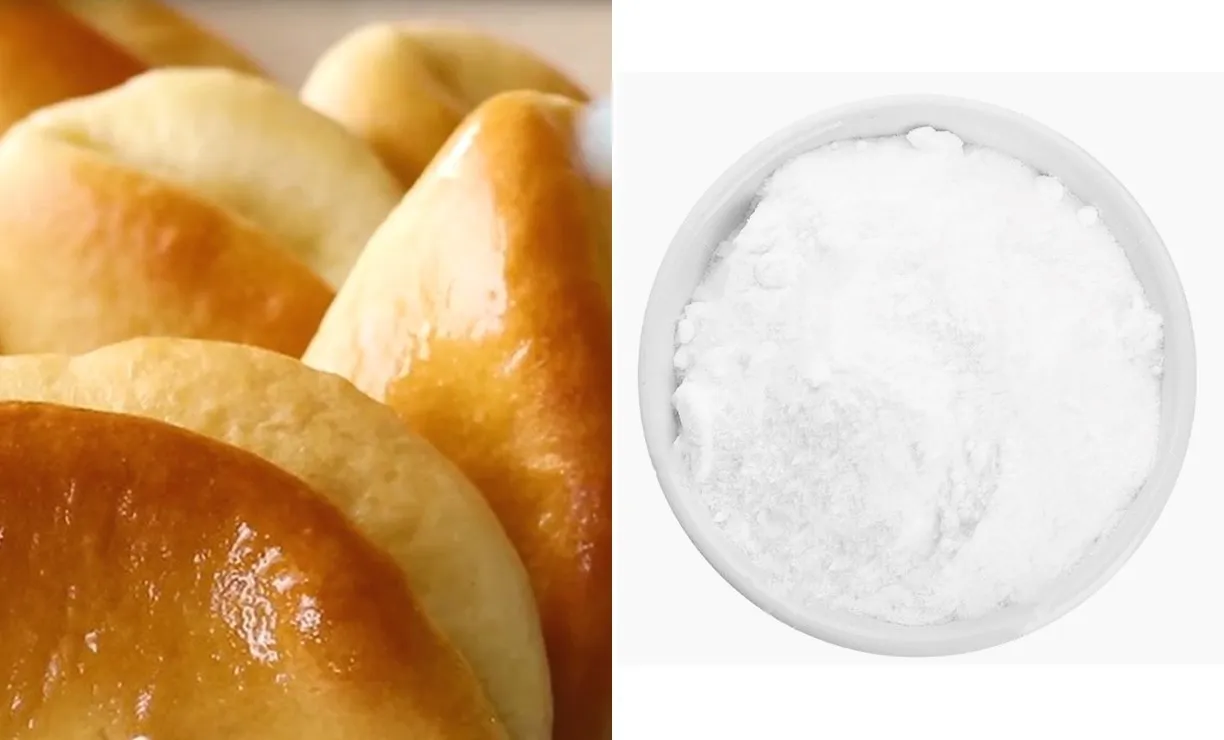
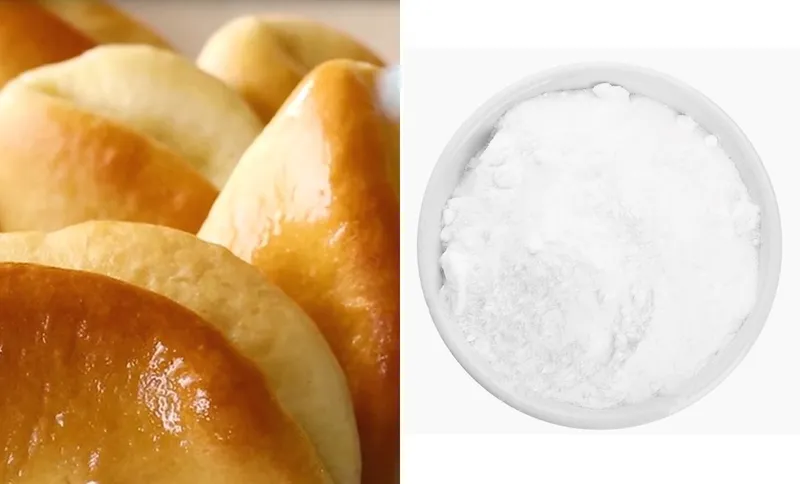
Calcium Propionate, Food Additive E282
CAS No. 4075-81-4
EC No. 223-795-8
E No. E282
Formula : Ca(C2H5COO)2
ข้อมูลเพิ่มเติมเกี่ยวกับสินค้า แคลเซียมโพรพิโอเนต วัตถุเจือปนอาหาร E282 สามารถสอบถาม ได้โดยตรงที่
บริษัท ไทยโพลีเคมิคอล จำกัด
โทร 034496284, 034854888
มือถือ 0861762992, 0800160016
ไลน์ไอดี thaipoly888
ไลน์ไอดี thaipolychemicals
เว็บไซต์ www.thaipolychemicals.com
Product Description of Calcium Propionate
Calcium propanoate or calcium propionate has the formula Ca(C2H5COO)2. It is the calcium salt of propanoic acid. As a food additive, it is listed as E number 282 in the Codex Alimentarius. Calcium propionate is used as a preservative in a wide variety of products, including: bread, other baked goods, processed meat, whey, and other dairy products. In agriculture, it is used, amongst other things, to prevent milk fever in cows and as a feed supplement. Propionates prevent microbes from producing the energy they need, like benzoates do. However, unlike benzoates, propionates do not require an acidic environment.
Applications
Bread preservation. Calcium propionate is an effective growth inhibitor of most molds and some bacteria. It is widely employed in bread and other bakery products to prevent mold growth and rope formation and to extend the shelf life. In addition, calcium propionate is preferred in rolls and bread because it contributes to nutritional enrichment by supplying calcium. It is easy to handle, dissolves well and is easy to blend into the flour. The need for preservatives Bread is very susceptible for microbial growth, especially the growth of molds and some specific bacteria. Bacteria, Molds and mold-spores are usually killed during the baking process, but re-contamination of the bread occurs by airborne molds and spores and by the processing equipment during and after cooling. Although strict attention to bakery hygiene can greatly reduce contamination, it is not possible to avoid it completely. Bacterial spores are heat resistant and some can survive the baking process, causing rope formation on bakery goods. Rope is characterized by a brownish, sticky and wet crumb, which causes an unpleasant overall appearance. The rate of microbial growth on bread is affected by the number and type of spores present. It is accelerated by high storage temperatures and high humidity. Microbial growth rate is also influenced by the ingredients used. Wrapped or sliced bread is particularly susceptible to microbial spoilage, because of additional processing steps after baking. The use of a preservative is therefore beneficial in extending the shelf life of bakery goods.
Application method
Since there are many factors affecting the microbial growth in and on bread, the levels of calcium propionate cannot be correlated precisely with the extension of the shelf life. In general, however, for standard bread recipes, a dosage of 0.2-0.5% calcium propionate on flour weight is recommended. Although the odor of calcium propionate at high concentrations may be noticed when the bread is still hot, it rapidly disappears during cooling. Calcium propionate can be added at the start of dough-making together with the other dry ingredients. In some cases, a small effect on the rising step can be observed, resulting in a small reduction in volume of the finished loaf. This can be overcome by the addition of some extra yeast. Calcium propionate can also be added at the end of the dough making. In all cases, it is advisable to carry out an initial baking test, in order to determine the precise organoleptic and physical effects of the calcium propionate addition. Other applications Calcium propionate can also be applied as a preservative in other products like cheese, cheese analogues and other processed cheese products according to the quantum satis principle or the current Good Manufacturing Practice (GMP). This means that calcium propionate can be used at levels as high as necessary to achieve the intended purpose.
Legislation
Calcium propionate is an approved food additive according to EU and FDA legislation and JECFA (FAO/WHO), FCC and Japanese food standards. Please check local legislation for the exact dosage levels and allowed applications.
More information of Calcium Propionate, Food Additive E282, please directly contact
Thai Poly Chemicals Co., Ltd. (TPCC)
Tel: 6634496284, 6634854888
Mobile: 66800160016
Line ID: thaipoly888
Line ID: thaipolychemicals
Web: www.thaipolychemicals.com
Product Keyword
แคลเซียมโพรพิโอเนต,Calcium Propionate,แคลเซียมโพรพิโอเนท,แคลเซียมโปรปิโอเนต,Calcium Dipropanoate,Calcium Dipropionate,Mycoban,สารกันรา,สารป้องกันเชื้อรา,สารป้องกันการขึ้นรา,สารถนอมอาหาร,สารกันบูด,สารกันเสีย,Preservative,Probake,Crystalpro,Niacet,Probake CP,Food Additive,E282,INS282,Food Grade,FCC,เกรดอาหาร,วัตถุเจือปนอาหาร
รายการสินค้าในกลุ่ม สารถนอมอาหาร (Preservatives) ที่ บริษัท ฯ จำหน่ายประกอบด้วย
Ascorbic Acid, E300, กรดแอสคอร์บิก, วิตามินซี
Butylated Hydroxytoluene, BHT, บิวทิเลตไฮดรอกซีโทลูอีน, บีเอชที
Calcium Lactate, E327, แคลเซียมแลกเตต
Calcium Propionate, E282, แคลเซียมโพรพิโอเนต
Citric Acid, E330, กรดซิตริก, กรดมะนาว
Lactic Acid, E270, กรดแลกติก, กรดนม
Methylparaben, E218, เมทิลพาราเบน
Nitrite Salt, ผงเพรก, เกลือไนไตรท์
Potassium Sorbate, E202, โพแทสเซียมซอร์เบต
Potassium Metabisulphite, E224, โพแทสเซียมเมตาไบซัลไฟต์
Propylparaben, E216, โพรพิลพาราเบน
Sodium Acetate, E262, โซเดียมอะซีเตต
Sodium Ascorbate, E301, โซเดียมแอสคอร์เบต
Sodium Benzoate, E211, โซเดียมเบนโซเอต
Sodium Caseinate, E469, โซเดียมคาซีเนต
Sodium Citrate, E331, โซเดียมซิเตรต
Sodium Dithionite, โซเดียมไดไทโอไนต์
Sodium Erythorbate, E316, โซเดียมอีริทอร์เบต
Sodium Hydrosulfite, โซเดียมไฮโดรซัลไฟต์
Sodium Lactate, E325, โซเดียมแลกเตต
Sodium Metabisulphite, E223, โซเดียมเมตาไบซัลไฟต์
Sodium Nitrate, E251, โซเดียมไนเตรต
Sodium Nitrite, E250, โซเดียมไนไตรต์
Sodium Propionate, E281, โซเดียมโพรพิโอเนต